
Actualités de l'entreprise
Boost Efficiency with an Automatic Wood Cutter
The woodworking industry is undergoing a massive transformation. Whether you are running a bustling commercial lumber yard or managing a growing custom furniture business, the tools you use dictate your success. In the past, craftsmanship relied entirely on manual labor, which, while romantic, often led to bottlenecks, material waste, and physical fatigue. Today, integrating an automatic wood cutter into your shop is no longer just a luxury—it is a competitive necessity.
By upgrading your standard wood cutting tools to automated systems, you unlock new levels of efficiency, safety, and profitability. In this comprehensive guide, we will explore the tangible benefits of making the switch to automated machinery, essential features to look for, and actionable tips for maintaining your equipment.
Table des matières
Manual vs Automated Timber Processing
To truly appreciate modern technology, it helps to look at the differences between manual vs automated timber processing. Manual processing relies heavily on the operator’s physical stamina and unwavering focus. Even the most skilled artisan will experience fatigue, leading to minor miscalculations or slower production rates toward the end of a shift.
Conversely, an automated wood processing machine operates with relentless consistency. It does not get tired, distracted, or compromise on quality. By introducing an electric wood cutter equipped with smart technology, businesses can transition from inconsistent, labor-intensive workflows to highly predictable, streamlined operations. This shift allows human workers to step away from dangerous, repetitive tasks and focus on quality control, design, and business growth.
Top Advantages of Using an Automatic Wood Cutter
Investing in modern timber machinery brings a wide array of benefits that directly impact your bottom line. Here is why making the upgrade is a smart move.
1.Unmatched Precision and Consistency
When it comes to high-end cabinetry, flooring, or custom furniture, precision wood cutting is non-negotiable. An advanced automatic wood cutter eliminates the margin of human error. For example, investing in a cnc wood cutter (Computer Numerical Control) allows you to program exact dimensions down to the fraction of a millimeter.
Even smaller operations can benefit immensely from this technology. Integrating a CNC wood router for small shops allows independent craftsmen to produce intricate joints, detailed inlays, and perfectly symmetrical parts that would take hours to complete by hand. Furthermore, programmable cross-cut saw features enable operators to set precise lengths for batch cutting, ensuring every single board that comes off the line is identical to the last.
2.Maximizing Material Use and Reducing Waste
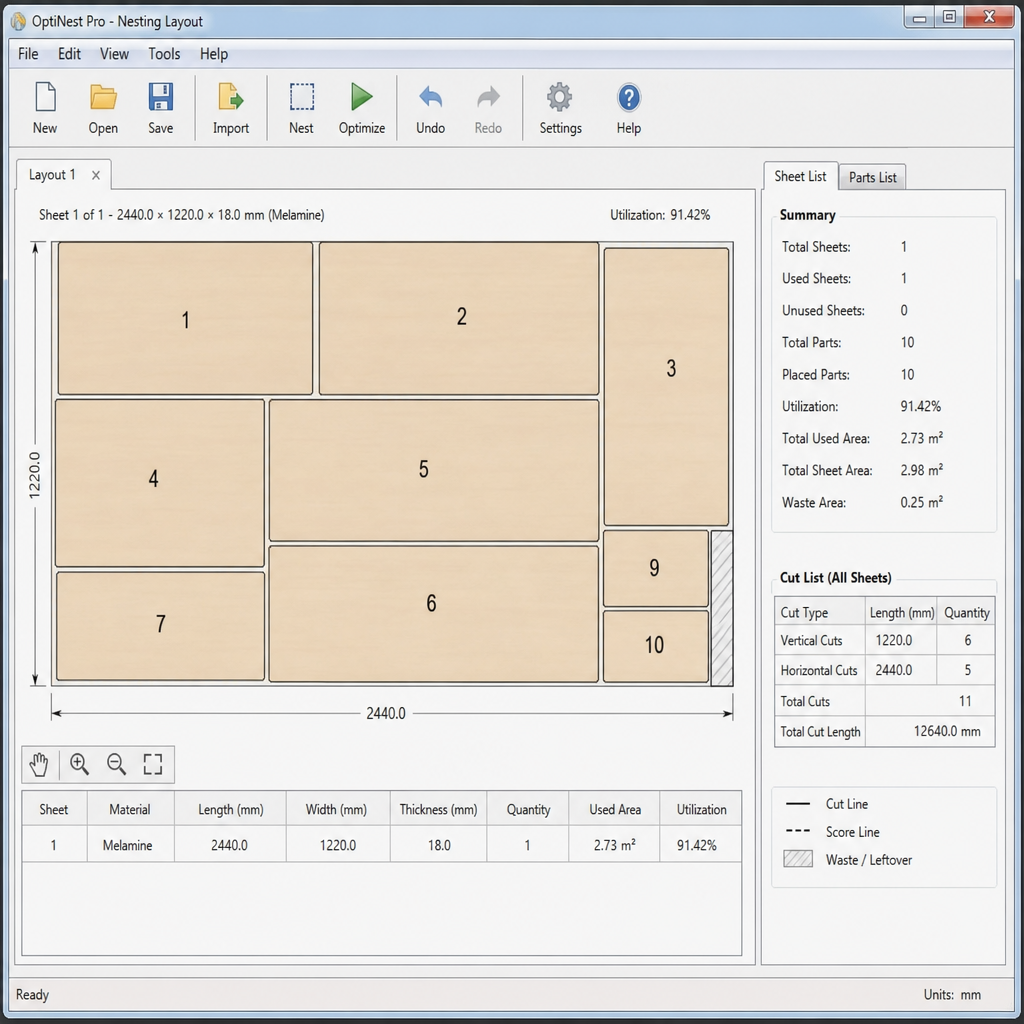
Raw timber is expensive. Every inch of wasted wood eats directly into your profit margins. A major advantage of upgrading to a digital wood cutting machine is increasing lumber yield through automation.
Modern systems frequently utilize optimized nesting software for woodworking. This software algorithmically calculates the most efficient way to cut multiple parts from a single sheet or board of wood. By strategically arranging the cuts, the software minimizes offcuts and scrap. What used to be a pile of wasted materials in the corner of the shop is now converted into usable, sellable products.
3.Skyrocketing Productivity and Speed
Time is money in any manufacturing business. Automated machines work at a pace that manual laborers simply cannot match. For heavy-duty, large-scale applications, industrial firewood processor operations demonstrate this perfectly. What once required a team of workers swinging axes or operating slow manual splitters can now be handled by a single operator managing a centralized console.
Similarly, the integration of high-speed hydraulic log splitters and automated cross-cut saws allows facilities to process massive logs into perfectly sized lumber or firewood in a matter of seconds. This exponential increase in output allows businesses to take on larger orders and meet tighter deadlines without breaking a sweat.
4.Significant Cost Savings Over Time
While the initial investment in modern machinery can be substantial, the return on investment (ROI) is rapid. One of the primary financial drivers is reducing labor costs with timber machinery. Because automated machines can do the work of several manual laborers in a fraction of the time, you can optimize your payroll. Instead of hiring more hands to keep up with production demands, you can train a smaller, highly skilled team to program and manage the machines.
Modern CNC woodworking machines rely on computer-controlled movements to maintain consistent cutting accuracy during repeated production. According to CNC machining principles explained by MIT, computer numerical control allows machines to follow programmed instructions with high repeatability.
Key Features to Look for in Modern Woodworking Equipment
If you are in the market to upgrade your workshop, knowing what features yield the best results is crucial. When choosing heavy-duty woodworking equipment, keep an eye out for these essential integrations:
- Premium Blade Technology: The quality of the machine is only as good as the blade it uses. Look for systems that support diamond-tipped blade performance. Diamond-tipped blades stay sharper significantly longer than standard carbide blades, resulting in cleaner cuts, less tear-out, and fewer halts in production for blade changes.
- Smart Dust Management: Wood dust is a serious respiratory hazard and a fire risk. Upgrading to equipment with integrated dust collection for machinery ensures that sawdust is vacuumed away right at the cutting source. This keeps the internal mechanisms of the machine clean, extends its lifespan, and creates a dramatically safer breathing environment for your staff.
- Hybrid Functionality: Many modern shops are blending traditional cutting with detailed finishing. Pairing your automated saws with CO2 laser wood engraving machines allows you to cut the timber to size and instantly brand it with your company logo, intricate artwork, or serial numbers for part tracking.
Furniture manufacturers increasingly use automated woodworking equipment to improve production consistency and reduce manual handling. According to FAO’s overview of wood processing industries, efficient processing methods play an important role in improving the value chain of wood products.
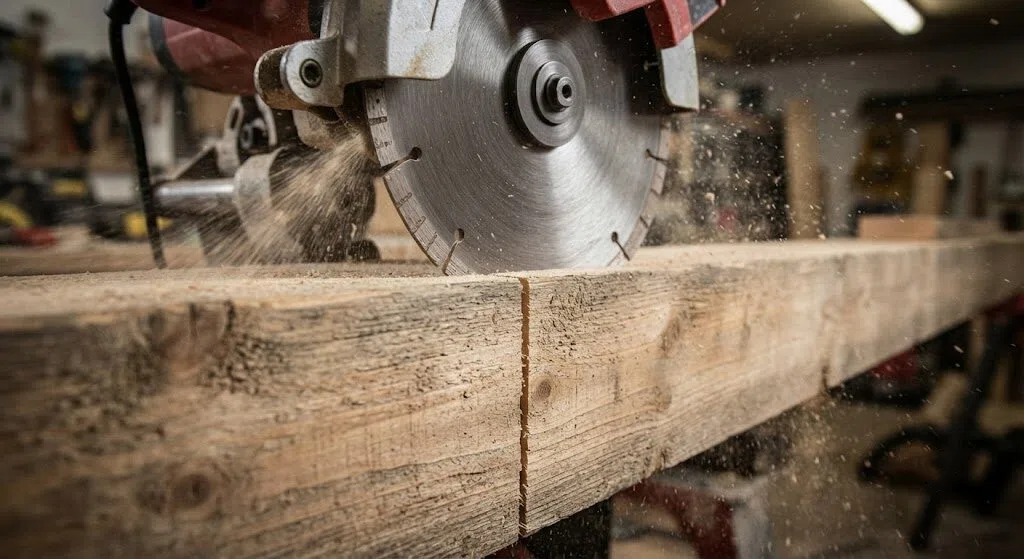
Dust collection is an important part of woodworking equipment because fine wood particles can affect both workplace safety and machine maintenance. The Occupational Safety and Health Administration (OSHA) explains woodworking dust hazards and control methods, which manufacturers should consider when planning machine installation.
Safety First: Protecting Your Workshop and Your Workers
Woodworking has historically been a hazardous profession. Kickback, blade contact, and flying debris have caused countless injuries. Automation significantly distances the operator from the “danger zone.”
However, automation does not mean you can ignore safety. Establishing and enforcing strict safety protocols for circular saw systems and automated routers is essential.
Actionable Safety Tips:
- Operator Training: Never let an untrained employee operate an automated machine, no matter how “user-friendly” the interface appears.
- Emergency Stops: Ensure that all emergency stop buttons are easily accessible from multiple angles around the machine.
- Light Curtains and Sensors: Utilize machines equipped with optical sensors that immediately halt the blade if a human hand or foreign object breaches the cutting perimeter.
- Lockout/Tagout: Always enforce lockout/tagout procedures during maintenance or blade changes to prevent accidental machine startups.
Maintenance and Calibration for Longevity
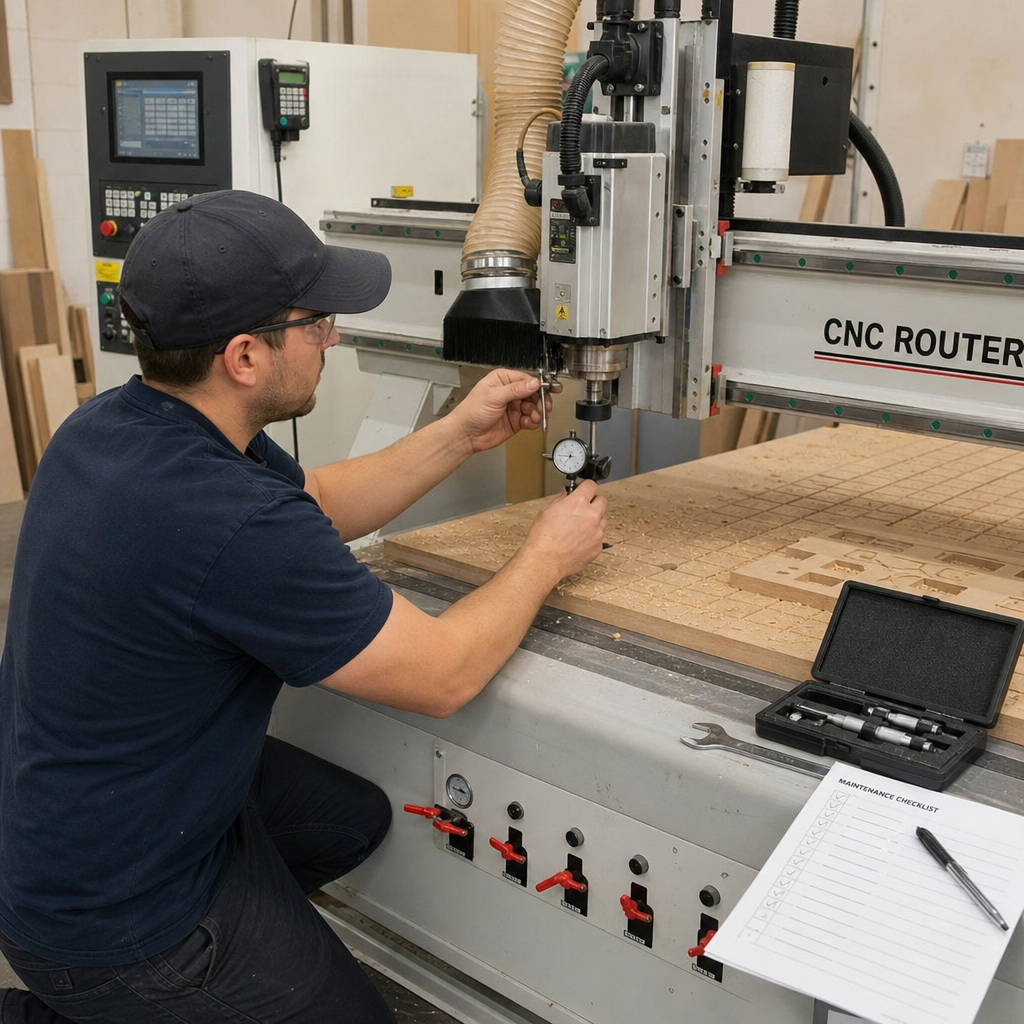
To ensure your investment continues to pay dividends for years to come, proactive upkeep is mandatory. Neglecting commercial sawmilling equipment maintenance leads to misaligned cuts, ruined timber, and expensive mechanical failures.
The Importance of Calibration
Even the most robust automated systems can drift out of alignment due to constant vibration and heavy workload. Understanding how to calibrate automated wood saws is a skill every shop manager must master.
- Check the Squareness: Use a precision machinist square to regularly verify that the blade is perfectly at a 90-degree angle to the cutting table and the fence.
- Software Updates: Ensure your machine’s software and nesting programs are up to date. Software bugs can sometimes translate into microscopic hardware misalignments.
- Test Cuts: Perform test cuts on scrap wood at the start of every week. Measure these cuts with digital calipers. If a programmed 100mm cut is yielding 100.5mm, it is time to dig into the machine’s digital offset settings and recalibrate.
Routine Maintenance Checklist
- Lubrication: Keep all linear guide rails, ball screws, and moving parts properly lubricated according to the manufacturer’s specifications.
- Air Supply Checks: Many automated machines rely on pneumatic cylinders to hold timber in place. Regularly check the air compressor lines for leaks or moisture build-up.
- Blade Inspections: Even diamond-tipped blades need inspection. Look for chipped teeth or resin build-up (pitch) which can cause the blade to overheat and warp.
Conclusion
The transition from traditional hand-operated tools to a fully automated workflow is a defining moment for any woodworking business. The advantages of using an automatic wood cutter go far beyond just saving time. It is about fundamentally elevating the quality of your product, maximizing the yield of your raw materials, and creating a safer, more profitable working environment.
Whether you are implementing a compact CNC router to create intricate cabinetry or investing in massive hydraulic splitters for industrial production, automation provides a distinct competitive edge. By choosing the right equipment, prioritizing safety, and staying diligent with your maintenance routines, you will ensure that your woodshop remains productive, profitable, and ready for the demands of the future.